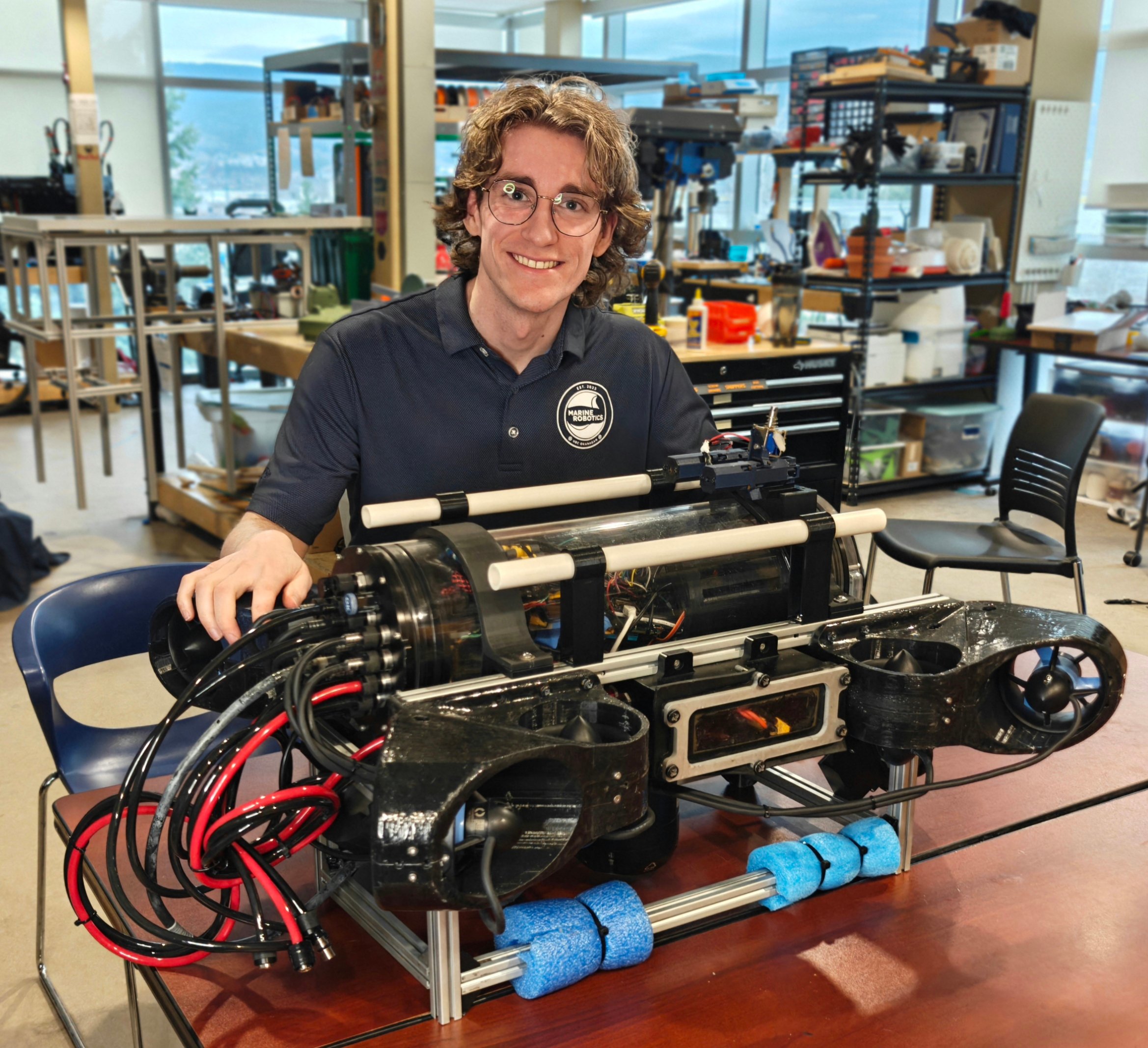
The Capstone project served as a crucible for my engineering philosophy, emphasizing that design is rarely a linear path. While developing a custom 200 W Autonomous Underwater Vehicle (AUV) power system, we encountered a critical bottleneck: a significant 93% power loss through the hull during initial testing. This moment demanded a difficult technical pivot. Despite weeks of labor invested in a bespoke Battery Management System (BMS), the technical and financial risks, balanced against a strict 1,000 CAD budget, became untenable. I advocated for a transition to a vetted, off-the-shelf solution to preserve the project's timeline. This was a strategic prioritization of mission-critical reliability while allowing our team to focus more design effort on our charger.
Professional Reflection
Insights into the design process, engineering values, and professional growth.
Design Process Reflection
Core Engineering Attributes
Navigating the complexities of underwater power taught me that meticulousness and adaptability are the bedrock of safe engineering. Managing high-capacity lithium cells required a deep dive into thermal runaway prevention and the selection of fail-safe components. Furthermore, I learned the value of system-level thinking; when electrical constraints forced mechanical layout changes, I collaborated across disciplines to ensure the pressure vessel's integrity remained uncompromised.
Professional Responsibilities
Engineering carries a profound duty to public welfare and environmental stewardship. Adhering to safety frameworks like UL 1642 and selecting corrosion-resistant, non-toxic materials for sensitive marine ecosystems was a non-negotiable aspect of our design process. Ensuring that our technology protects both the user and the environment is a responsibility I carry into every future project.
Strengths & Growth
I bring strong capabilities in power electronics and firmware development, demonstrated by my work on the BMS prototype and charger boards. However, this project highlighted a need to refine my high-speed PCB layout skills to better manage electrical noise. I am eager to bridge this gap during my upcoming Master's in Medical Robotics and my summer role in drone PCB design, where precision and EMI mitigation are paramount.